Red Flags When Choosing a Voice Over Artist
A demo that sounds overproduced. Heavy music beds can mask a read that would not hold up without them. Ask to hear a dry read if you have any doubt.
Prices that are dramatically below the market rate. There is usually a reason. Either the work is slow, the equipment is inadequate, or the talent is not experienced enough to know what they are worth.
Slow communication before the booking. If responses are inconsistent now, they will be inconsistent when you have a deadline.
The right fit is specific
There is no voice that is right for every project. The best commercial voice over artist for a national beer brand is not necessarily the right choice for a corporate compliance training module. The right fit is the voice that sounds like it belongs in the room with the specific person who needs to hear it.
When you find that fit, you will know before you can explain why. Trust that.
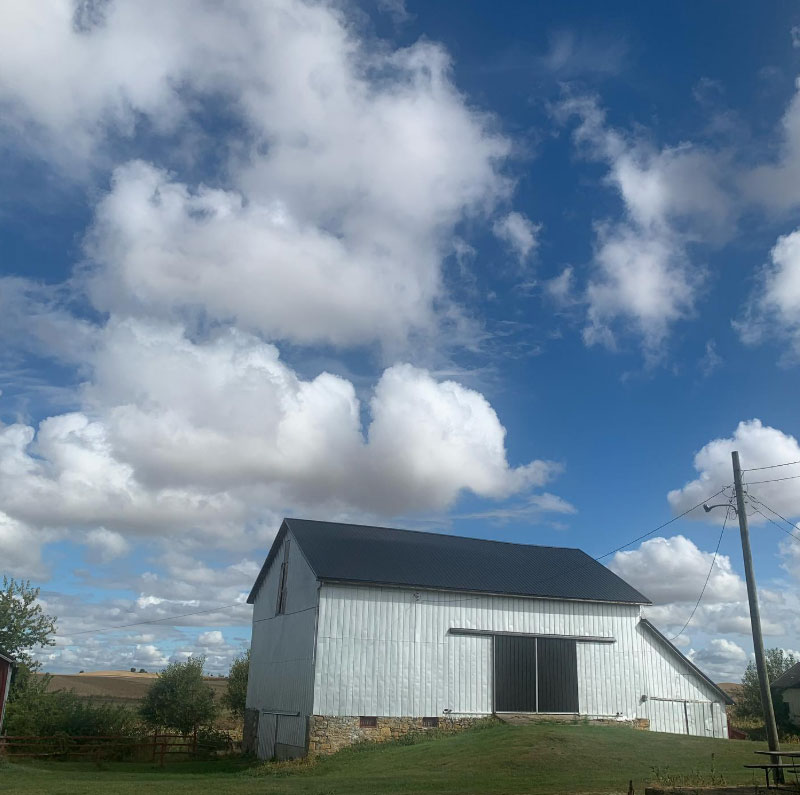
If you are looking for a commercial or corporate voice that connects with a Midwest audience, hear the demo and see if it is what you are after.
The things the rate sheet does not tell you
Turnaround time matters. Find out what the standard is before you book. For most short-form commercial and corporate work, 24 hours is reasonable. Some talent are faster. Some are not.
Direction-taking matters more than most clients realize. A voice over session is not just the talent reading a script. It is a collaboration. You will give notes. The talent needs to absorb them and execute without you having to repeat yourself three times and explain what you mean.
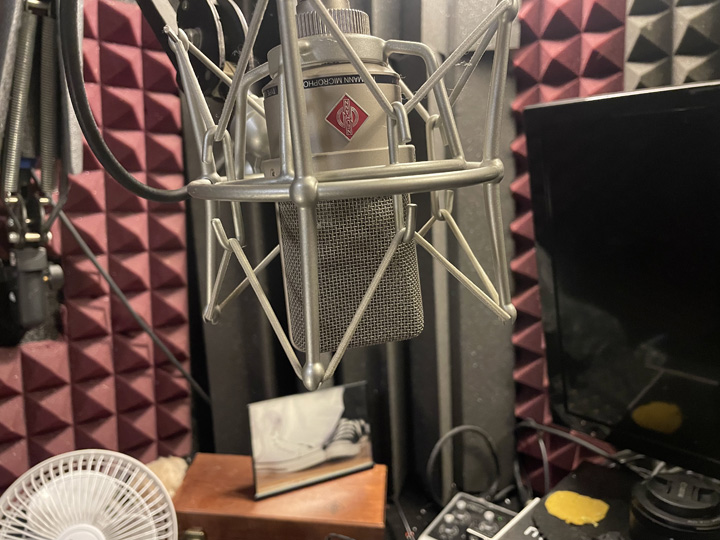
Ask about the process. Does the talent do a directed session live? Can you connect remotely if your team needs to be in the room? Source Connect and similar tools exist for exactly that reason. A home studio without that capability limits your options on larger projects.
Red Flags When Choosing a Voice Over Artist
A demo that sounds overproduced. Heavy music beds can mask a read that would not hold up without them. Ask to hear a dry read if you have any doubt.
Prices that are dramatically below the market rate. There is usually a reason. Either the work is slow, the equipment is inadequate, or the talent is not experienced enough to know what they are worth.
Slow communication before the booking. If responses are inconsistent now, they will be inconsistent when you have a deadline.
The right fit is specific
There is no voice that is right for every project. The best commercial voice over artist for a national beer brand is not necessarily the right choice for a corporate compliance training module. The right fit is the voice that sounds like it belongs in the room with the specific person who needs to hear it.
When you find that fit, you will know before you can explain why. Trust that.
If you are looking for a commercial or corporate voice that connects with a Midwest audience, hear the demo and see if it is what you are after.
Ask for a custom demo only when it matters
Some talent offer free custom demos. Some charge for them. It is worth asking when your project has a specific tone that is hard to evaluate from a general demo reel.
The most useful thing you can provide is 30 seconds of the actual script and a two-sentence description of who should be listening to it. Do not over-direct. Give the talent room to make choices. If the choices they make on a cold read are close to right, the directed session will be very close to perfect.
If the cold read is completely off-brand without any instruction, that tells you something useful before you spend money on a full session.
The things the rate sheet does not tell you
Turnaround time matters. Find out what the standard is before you book. For most short-form commercial and corporate work, 24 hours is reasonable. Some talent are faster. Some are not.
Direction-taking matters more than most clients realize. A voice over session is not just the talent reading a script. It is a collaboration. You will give notes. The talent needs to absorb them and execute without you having to repeat yourself three times and explain what you mean.
Ask about the process. Does the talent do a directed session live? Can you connect remotely if your team needs to be in the room? Source Connect and similar tools exist for exactly that reason. A home studio without that capability limits your options on larger projects.
Red Flags When Choosing a Voice Over Artist
A demo that sounds overproduced. Heavy music beds can mask a read that would not hold up without them. Ask to hear a dry read if you have any doubt.
Prices that are dramatically below the market rate. There is usually a reason. Either the work is slow, the equipment is inadequate, or the talent is not experienced enough to know what they are worth.
Slow communication before the booking. If responses are inconsistent now, they will be inconsistent when you have a deadline.
The right fit is specific
There is no voice that is right for every project. The best commercial voice over artist for a national beer brand is not necessarily the right choice for a corporate compliance training module. The right fit is the voice that sounds like it belongs in the room with the specific person who needs to hear it.
When you find that fit, you will know before you can explain why. Trust that.
If you are looking for a commercial or corporate voice that connects with a Midwest audience, hear the demo and see if it is what you are after.