I didn’t know what a voice over artist actually was when I first became one.
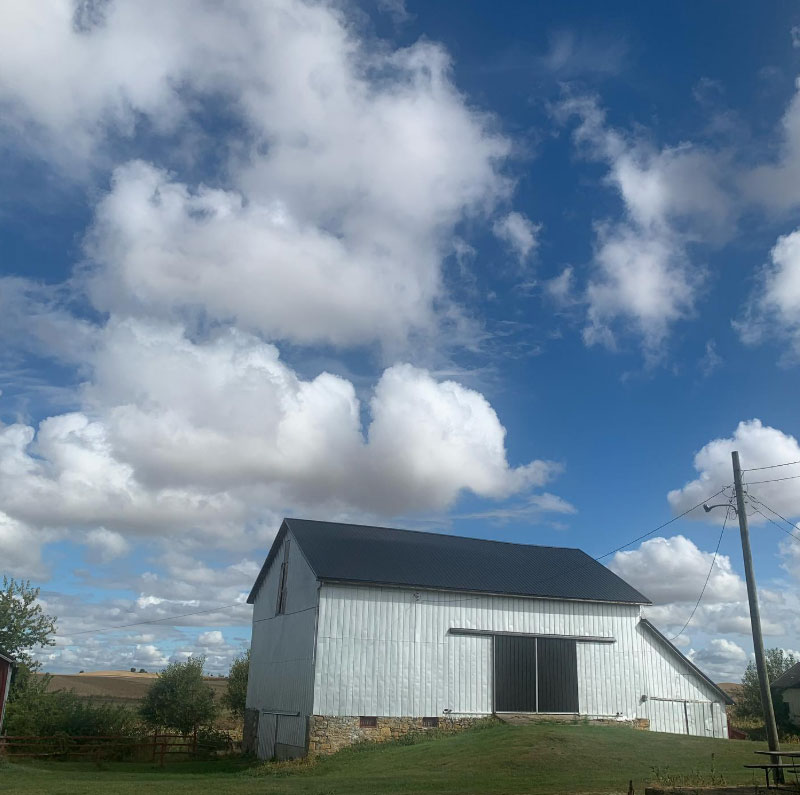
It was 1995. I was 19, working at a radio station in Sterling, Illinois. A production director named Jay was staying late one night, building music beds from scratch, pushing sound effects off carts. I watched him put together a 30-second spot for a local bar called Kelly’s Irish Pub. When he handed me the script and said “go in the booth,” I read it. They paid me $100. It felt completely insane.
I didn’t know that was voice over. I just thought it was radio.
It took me years to figure out what I’d actually done that night, and years more to start doing it on purpose.
What Is a Voice Over Artist: The Short Answer
A voice over artist records their voice for use in media without appearing on camera. That’s the technical definition, and it’s almost completely unhelpful.
The better answer: a voice over artist is the voice you hear when a brand is trying to make you feel something. Commercials. Corporate training videos. Explainer animations. Audiobooks. E-learning modules. IVR systems, which are those “press 1 for billing” recordings everyone’s heard a thousand times. Documentary narration. Video game characters. Movie trailers.
Every time you hear a voice on something that isn’t live, there’s a real person behind it. That person is a voice over artist.
What Voice Over Artists Actually Do
The job breaks into a few categories, and they’re pretty different from each other.
Commercial voice over is what most people picture. A 30-second TV or radio ad. A brand has a message and half a minute to make it land. The voice has to feel real, not over-polished. In 2026, conversational is what agencies are booking. The stiff announcer voice is largely retired.
Corporate narration is the steady workhorse of the industry. Training videos. Internal communications. Product explainers. Investor updates. This work keeps a lot of professional VO artists in business. It’s consistent, it pays well, and it demands credibility without coldness.
E-learning is its own world. Narrating a 40-module compliance course takes patience, stamina, and the ability to keep things from sounding robotic on take 300. Learners check out fast. The pace and tone have to pull them back.
Audiobooks are a long-haul commitment. A finished audiobook can run six to ten hours of recorded audio. You’re playing every character, staying consistent across multiple recording sessions, and keeping the listener with you through the whole arc.
Promo and imaging is the world I came up in. Fast, punchy, high-energy radio and TV station voice work. “Coming up next on 97.3.” Fast turnaround, high volume, and it trains you to find the hook in a sentence fast.
Most working voice over artists specialize in one or two of these. I focus on commercial and corporate narration. That’s where my background and my voice fit best.
What Actually Separates a Professional
Three things matter.
The voice. Not a perfect voice. An authentic one. Clients aren’t hiring a voice that sounds like a voice over artist. They’re hiring a voice that sounds like a person. The goal isn’t to impress the listener. It’s to make the listener trust the message. Those are completely different targets, and the difference shows.
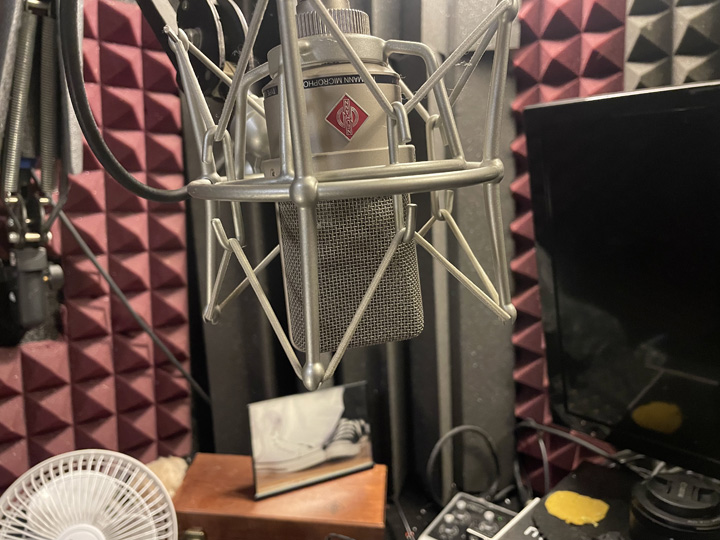
The room. You can have a great voice and record it in a live, reflective space and it sounds like you recorded it in a kitchen. Professional audio requires a properly treated recording environment. Not necessarily expensive gear. My studio is built around a Whisper Room isolation booth I found on Craigslist for $1,000. It sounds better than rooms that cost ten times that, because the room is treated right.
The instinct. This is the one no weekend seminar can give you. It’s the ability to read a script and know who’s actually on the other end. Not the client. Not the producer. The person sitting in their car, half-paying attention, about to decide whether they believe what they’re hearing. Every time I sit down to record, that’s who I’m thinking about.
That instinct develops over years in front of a microphone. Most of it can’t be taught directly. It accumulates.
Is Voice Over a Real Career?
Yes. And it’s growing.
The global voice over market crossed $4 billion in 2024. E-learning alone is driving demand that didn’t exist a decade ago. Streaming content, podcasts, audiobooks, short-form video, all of it needs voice work, and the volume keeps climbing.
AI voice is part of the conversation now, and it’s worth being straight about. AI handles certain copy well. Mostly templated, high-volume, low-stakes work. It doesn’t handle the work that requires a real person to make a listener believe something. The brands who know the difference between an AI doing a passable impression of warmth and a human who actually has some, they’re still calling humans. That’s who I work for.
What This Looks Like Day to Day
My alarm goes off at 5:45am. I read for a bit, put in an hour on the exercise bike, then I’m at the desk. Scripts come in. I review them, prep, record. Clients send notes. Sometimes there’s a pickup, sometimes everything lands on the first pass. In between, there’s outreach, business development, marketing.
The booth is in my basement. My Whisper Room sits on a 7-acre property in rural Illinois. It is a little ridiculous that some of the spots running on national radio got recorded down here. But that’s what professional voice over looks like now. No major studio required. Just a treated room, good gear, and enough time behind a microphone to know what you’re doing.
That’s a voice over artist.
Curious what this sounds like in practice? The demos page is the fastest way to find out.
Industry Resources
For context on how professional voice over rates and categories work, the Global Voice Acting Academy rate guide is the most widely referenced benchmark in the industry. The SAG-AFTRA commercials contract sets the union floor for broadcast work.