I’ve never voiced a museum audio tour. Not one exhibit, not one gallery, not once. So this post on voice over for museum audio tours is the honest version: what I know about the format, and what I’d bring to it.
The closest I’ve come is as a visitor, holding the headset myself, and that matters more than you’d think. I’ll get to it. A museum’s own advertising is a different job anyway, even for the same building. A commercial tells someone to show up. An exhibit guide has to walk with them once they’re already there.
Why a Museum Tour Read Is Nothing Like a Commercial Script
A commercial runs the exact same thirty seconds, in the exact same order, for every single person who hears it. Voice over for museum audio tours doesn’t work that way at all. A visitor walks into a hall, picks whatever exhibit catches their eye first, and punches in whatever track number goes with it. Nobody’s guaranteed to hear track one before track twelve. Plenty of them will never hear track twelve at all.
That changes the actual job. You’re not writing one script that plays start to finish. You’re writing a dozen small ones, each of which has to work whether it’s the first thing a visitor hears that day or the last.
What I Learned Standing on the Other Side, as a Visitor
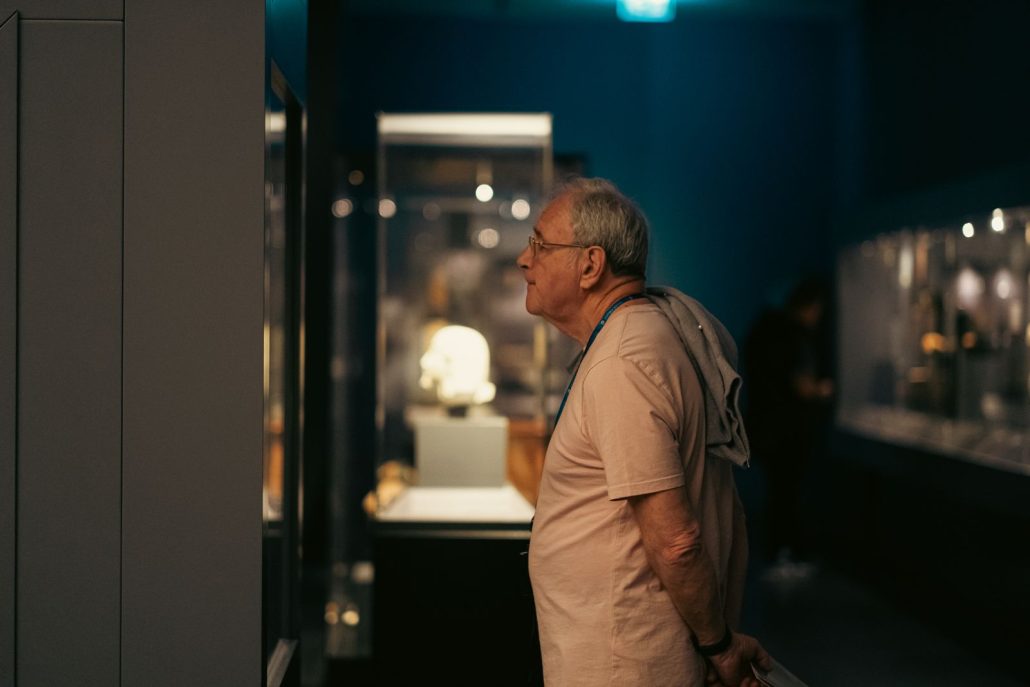
I’ve used one of these myself, at the Museum of Science and Industry in Chicago, and it’s the reason I actually believe in the format instead of just guessing at it from the booth side. Being able to go deeper into whatever exhibit actually grabbed me, and skip the ones that didn’t, made the whole visit more fun and a lot more interactive. Choosing which exhibits I wanted to go deeper on personalized the entire day. Nobody handed me a script and told me the order to experience my own museum trip in.
That’s the thing a straight-through commercial read can never replicate, and it’s exactly what a good audio guide is actually selling.
What Voice Over for Museum Audio Tours Actually Demands
If a visitor can wander into any exhibit’s track in any order, the voice on that track can’t be thinking about the exhibit before it or the one after. Each one has to carry its own build, its own reason to lean in, aimed at exactly one person standing in front of exactly one display. You’re the storyteller for one specific visitor, not a narrator running through a fixed itinerary for a crowd.
So you build a little intensity. You bring a little drama. Not just so they enjoy what you’re saying at this exhibit, but so they look forward to what you’re going to say at the next one. That’s the real hook in voice over for museum audio tours. Every track is a small promise that the next track will be worth the walk.
That means picturing who’s actually standing there listening. Maybe they’re hungry for every detail on the placard. Maybe they’ve been on their feet for two hours and are one boring track away from heading to the gift shop. Either way, the job is the same: make them glad they stopped at this exhibit, and curious enough to stop at the next one too.
Why This Matters If You’re the One Hiring the Voice
The Metropolitan Museum of Art’s own visitor research found that almost all of its audio guide users spent more time in front of the artwork and came away with a deeper understanding of what it means. That doesn’t happen by accident. It happens because the voice on the other end of those headphones is actually built for a visitor who’s choosing their own path, not reading them a script written for a crowd walking in a straight line.
If you’re shopping for voice over for museum audio tours, ask the voice one question: how would you handle a visitor who skips straight to track twelve? The answer tells you whether they understand the job.
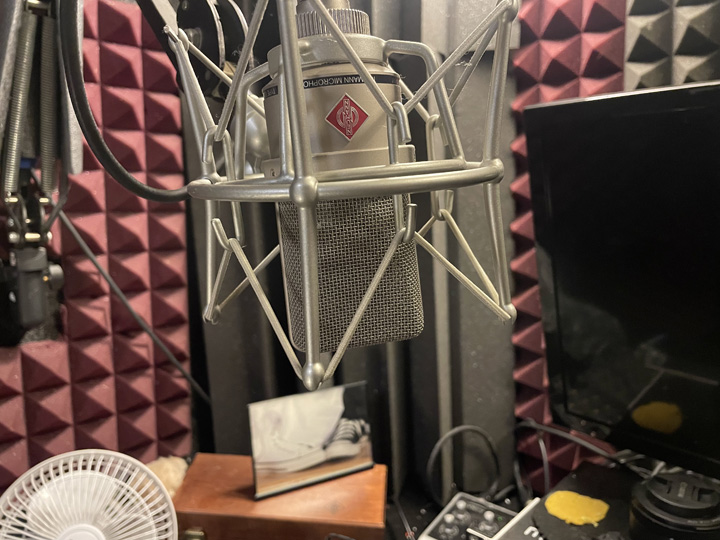
I haven’t voiced an exhibit tour yet. What I have done is stand on both sides of that headset, in the booth reading for an audience I can’t see, and in a museum hallway picking my own order. I know how to connect with someone I can’t see, and I know exactly what it feels like to want a museum to make me glad I came. That’s what I’d bring to the job the day someone actually hands me the storyboard.
Bill Stage records commercial, corporate, and narration voice over from a Whisper Room booth in rural Illinois. Read more about how he works.