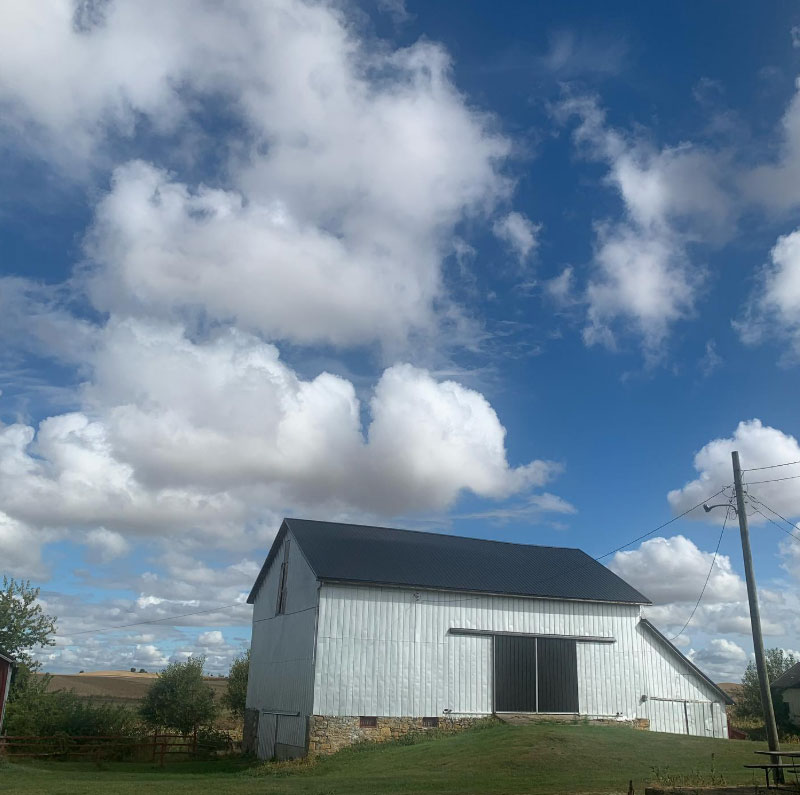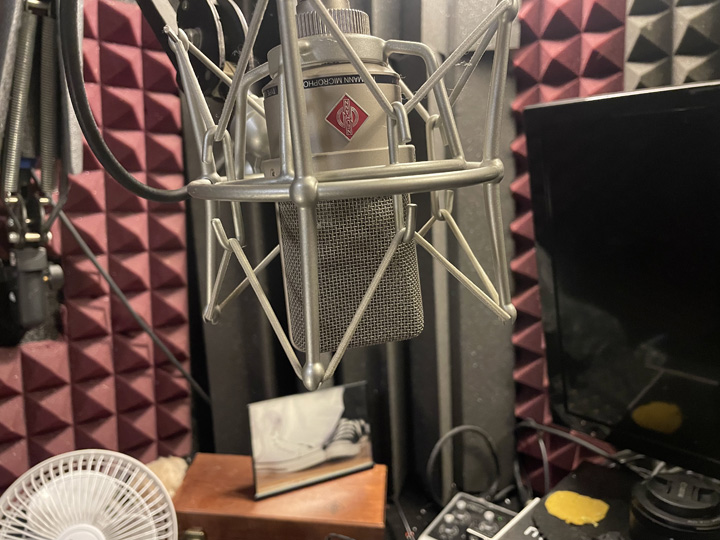
The radio to voice over transition is not what I expected. I was 19 years old, standing in the production room at a radio station in Sterling, Illinois, watching a guy named Jay stay late to build music beds from scratch.
Jay was the production director. Nobody asked him to stay. He was just in there pushing sound effects off carts, layering audio, building things out of nothing because he liked how they sounded. At one point he handed me a script, pointed at a mic, and told me to read it. I did. He gave me a couple of direction notes and we got something usable in about four takes.
That was my first voice over session. Neither of us knew it at the time.
I went on to spend nearly three decades in radio. Clear Channel, Cumulus, CBS Radio. By the time I made the radio to voice over transition as a serious professional move, I thought I already knew how to do this. I had the mic chops. I had the sight-reading. I had decades of experience talking into things for a living.
Here is what I did not have: any idea how much I would have to unlearn first.
Why the Radio to Voice Over Transition Is Harder Than It Looks
Radio trains you to perform. That is not a bad thing. When you are on the air, you need presence. You need to project. You need to fill the room and hold attention through a speaker in someone’s kitchen while they are making coffee and not particularly trying to listen to you.
Voice over flips that completely.
In most commercial and corporate VO work, you are not trying to hold a room. You are trying to sound like one person talking to one other person. Not a personality, not a presence. Just a guy having a conversation. The moment a listener hears “radio voice,” they clock you as talent and the illusion breaks. The spot loses its believability.
Dialing back from broadcast mode to actual human sounds, at first, like giving up. It isn’t. It is a completely different skill that happens to use the same equipment.
The instinct radio gives you is to push. Push the energy, push the pace, push the warmth. Voice over asks you to pull. Pull back, trust the copy, trust the listener. Let the words do the work instead of your delivery carrying them.
That recalibration took me longer than I expected. It is the part of the radio to voice over transition nobody warns you about going in.
What Radio Actually Gave You
Here is the part nobody talks about enough. That broadcast background is not baggage. It is a foundation most voice over artists spend years trying to build from scratch. The radio to voice over transition looks harder from the outside than it actually is once you understand what transfers.
You can sight-read. Cold. A 60-second radio commercial handed to you 90 seconds before airtime taught you how to process copy fast, find the emphasis without reading it twice, and make it sound like you meant every word. That skill is genuinely rare. A lot of VO talent that did not come from broadcast spends the first half of a session just getting comfortable with the copy.
You understand pacing. You know what a timing bed feels like. You can hit a mark at 28 seconds without a stopwatch because you did it a thousand times live.
You know how to take direction without it bruising your ego. Radio production rooms gave most of us thick skin about redoing things. A producer says “give me more energy on the second half” and you do it, you don’t debate it.
You have real mic presence. Not manufactured. Not something you bought at a workshop. The kind that comes from years of sitting in front of a live mic and knowing what it feels like when a read is working.
None of that goes away when you make the shift. What changes is the context you apply it in.
What Took Me the Longest to Unlearn
The biggest thing radio hardwires into you is a kind of constant output mode. On-air radio is unrelenting forward momentum. Dead air is failure. The instinct to fill, to drive, to never let energy drop becomes automatic.
Voice over, especially commercial and corporate narration, is the opposite of that. Some of the best reads I have ever done happened in the space between words, not in the words themselves. The pause before a line can do more work than the line. The breath that sounds real, not timed, can be the thing that makes a listener trust what they are hearing.
I took a course from a coach named Trish not long before I started pursuing VO seriously. She opened the first class with a vision of the VO life: rolling out of bed at 9am, making coffee, slowly starting your day, working from home on your own schedule. She made it sound like freedom.
I built that career. I still wake up at 5:45am.
But sitting in her class and hearing her break down performance for the first time, something clicked. She was describing a kind of listening I had never been asked to do on-air. Voice over asks you to hear yourself the way a listener hears you. Radio asks you to project. Those are genuinely different mental states, and switching between them is the real work of this transition.
The Practical Stuff Nobody Puts in the Article
Your demo will need to sound like a voice over demo, not a radio imaging reel. This is a meaningful distinction. A radio reel shows range and on-air versatility. A VO demo shows character, believability, and fit for the types of spots clients are actually buying. The Global Voice Acting Academy has solid guidance on this if you are starting from scratch with demos. (https://globalvoiceacademy.com)
Your booking pipeline is different. In radio, programming fills your schedule. In voice over, you are building a client list from nothing. Agencies, production houses, direct clients. Nobody is programming your calendar. That part of the transition is not about voice. It is about learning how to run a small service business.
The good news is the work itself. When a read lands, you know it. When the copy comes together and you find something real in it, that feeling is exactly what radio gave you on a good day. It is the same satisfaction. Just a different path to it.
Is the Radio to Voice Over Transition Worth It?
For me, it was never really a choice. I had been doing pieces of voice over work alongside radio for years without a formal label on it. The shift was less a decision and more a slow recognition that this was the thing I was actually building toward.
If you are sitting in a radio career right now and thinking about it, here is the honest version: you have more of a head start than you think, and more to unlearn than you expect. Both things are true at the same time.
Start with your voice in a controlled environment. Get some coaching from someone who works in the commercial space specifically. Record a lot. Listen back more than is comfortable. The gap between your radio instincts and your VO instincts closes faster than you think once you know you are looking for it. Most people who make the radio to voice over transition successfully say the same thing: the technical part was easier than the mental reset.
You already have the foundation. The transition is learning what to build on top of it.
Want to hear what the work sounds like? The demos page has commercial, corporate narration, and e-learning samples.