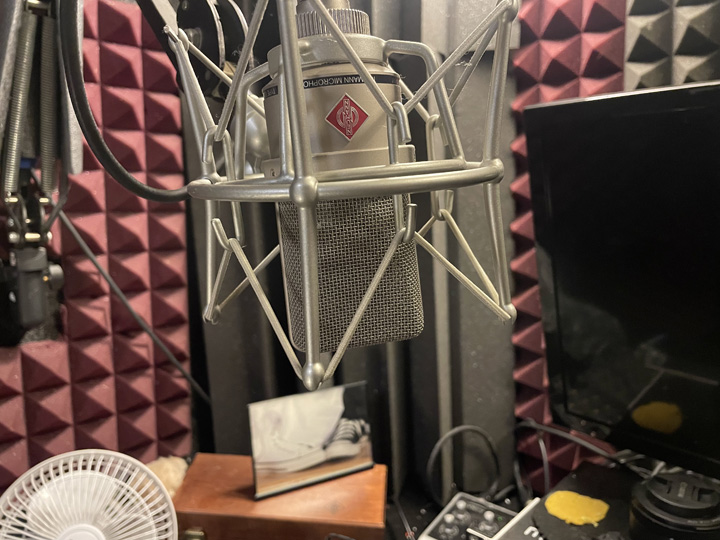
You’ve got forty-five minutes on the calendar, a script that’s already been through four rounds of client notes, and a voice actor on the other end of the call who just handed you a take that’s technically correct and completely flat. You don’t have time to figure out why. You just need it fixed.
Here’s the thing nobody tells you about how to direct a voice over session: you’re not actually trying to change who that person is. You’re trying to change the room they think they’re standing in.
I had a voice over coach tell me something years ago that really helped me build out the person who’s talking when I’m reading a script. She said you never actually change who you are depending on where you’re at, but you do change how you talk. The familiarity, the lingo, the pace, all of it shifts with the room. She called it your signature voice. Mine is the one I use with my kids, the one I use with my buddies, the most natural thing I’ve got. But if I walked into a black-tie wedding, that voice gets more formal. Not fake, not a character, just dialed for the room.
Take it further. If I’m at a concert with my best friend, my voice is loose and loud and quick. If I’m sitting across from a buddy’s mom at a coffee shop and she just told me she has cancer, my voice slows all the way down, and the care in it is real, not performed. Two completely different environments, two completely different cadences. Both of them are me. I didn’t become a different person to get there.
That’s the actual mechanism behind every good take you’ve ever gotten from a voice actor who “takes direction well.” They’re not switching characters when you give them a note. They’re figuring out what room you’re actually asking them to stand in, and once they know that, the voice follows on its own.

How to Direct a Voice Over Session: What This Actually Means
Plenty of direction comes in as a single tone word. Warmer. Punchier. More sincere. Those words aren’t wrong, but they’re abstract, and abstract is hard to act on fast. What actually moves a take is describing the room. Who is this person talking to, and what’s the relationship. Is this a guy explaining something to his neighbor over the fence, or a guy standing in front of a room he respects. Is this a warm goodbye or a quick heads-up. Give me the environment and the relationship, and I’ll find the voice that belongs there. Give me a single adjective, and I’m guessing.
You’re Not the Boss. You’re on the Same Team.
For the most part, people in this business are creative types, and creative types are more temperamental than most industries want to admit. I’m not usually like that, but I’ve worked with plenty who are, and the honest advice is kid gloves. Not because anyone’s being difficult on purpose, just because that’s the trade.
But here’s the part that actually matters more, and it goes the other direction. A lot of the emails I get from producers read like I’m supposed to be pleasing them, like they’re the boss and I’m the hire. That’s backwards. The voice actor and the producer are both working for the same client, trying to get the same result. We’re not a hierarchy. We’re pieces of the same machine, trying to please the person who’s actually paying for the spot. The voice over and the producer need to work together to create an environment where magic can happen. That’s solving the same problem together, not me performing for their approval.
If you walk into a session thinking of the voice talent as a vendor to be managed, you’ll get a technically fine read. If you walk in thinking of them as the other half of getting this right, you’ll get the take that actually works.
How You’ll Know the Direction Landed (Before You Ever Get to the Edit)
I didn’t realize I took direction well until I was in a studio with my old band, Square Face. The engineer was a guy named Billy, decades of touring and studio work behind him, the kind of guy whose opinion actually meant something. He gave me a few vocal lines to try, I followed exactly what he told me, and afterward he told me it sounded great because I took the direction so well. I hadn’t thought about it as a skill until he named it.
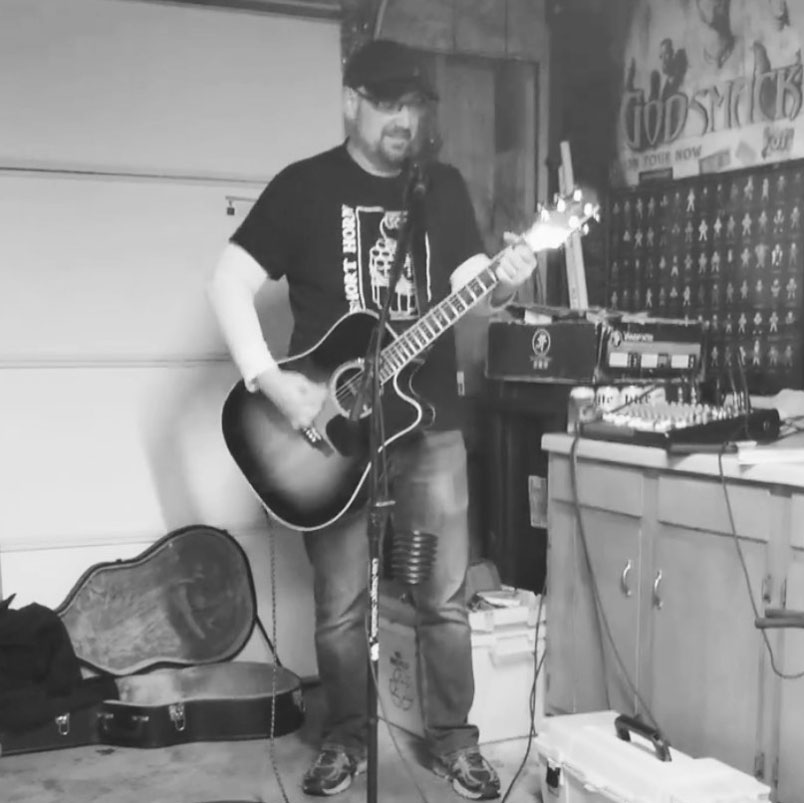
I think it comes from the same place as playing guitar by ear. I don’t have a technical explanation for the mechanism. When I take the direction that’s given and they love it, that’s how I know things are doing well. It’s closer to a flow state than a checklist.
That’s the thing worth remembering the next time you’re on a call with a voice actor and a take isn’t working. It’s rarely that they can’t do it. It’s usually that they haven’t been told which room to stand in yet. Tell them who they’re talking to, tell them what the relationship is, treat the session like the two of you are solving the same problem instead of one of you grading the other, and you’ll feel the take land the same way I do. You won’t need the edit to fix it. You’ll both just know.
Bill Stage records commercial, corporate, and narration voice over from a Whisper Room booth in rural Illinois. Read more about how he works.