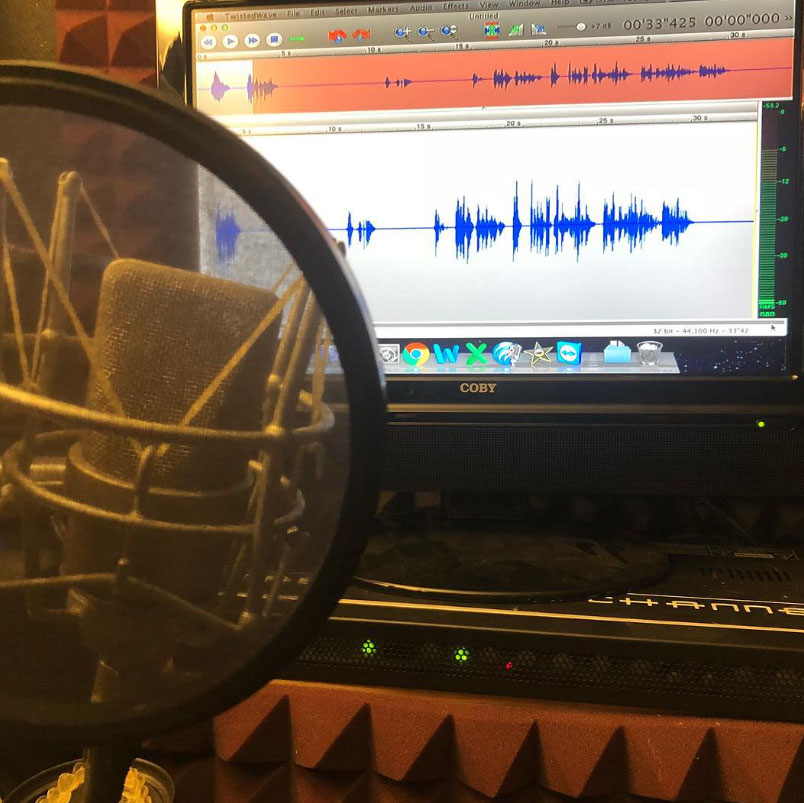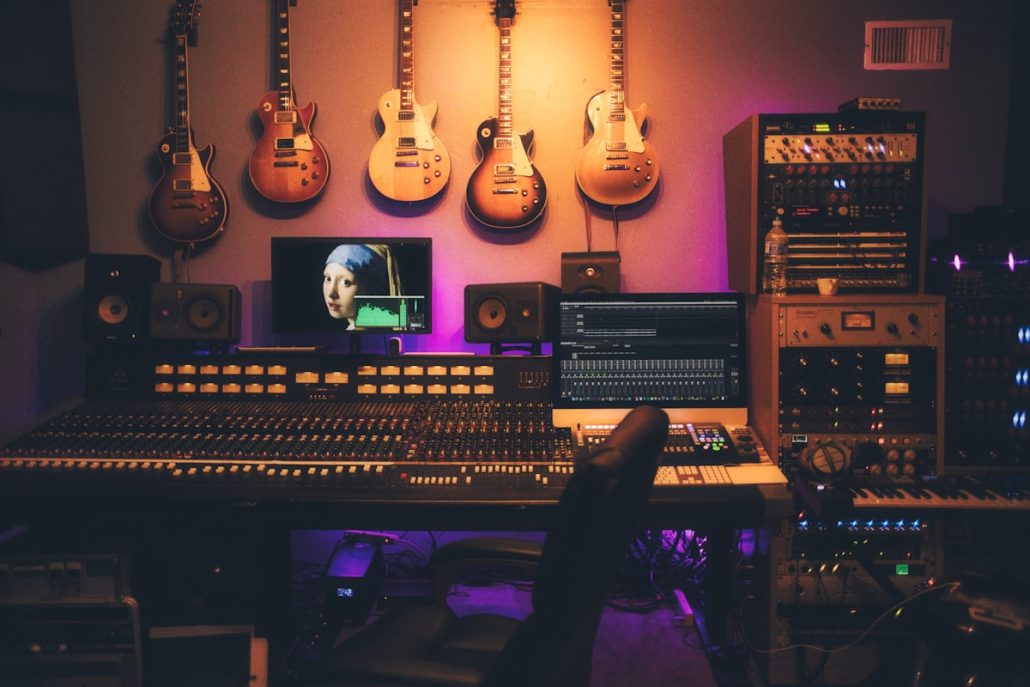
People ask me all the time what a voice over artist’s daily routine actually looks like. The first voice over class I ever took started with a pitch about that exact question.
The teacher walked in, shut the door, and immediately got interrupted by someone walking in late. She was not pleased. But before that happened, she had a pitch to make. She described waking up in the morning. Sauntering to the kitchen. Making coffee. Slowly easing into her day. Checking what work was waiting for her. Setting her own hours. Living the dream.
That was the life she was selling. And it worked. I sat there and thought: well, if she can do this as a casual, laid-back person, I could do this as someone who likes things a little less laid-back. I could do a lot with this.
My alarm goes off at 5:45am.
I’ve been in voice over full time for years. I still haven’t slept past that alarm and felt good about myself.
What a Voice Over Artist’s Morning Actually Looks Like
Up before the alarm most days. Downstairs. I read for a bit, usually while the coffee is going. Then I get on the exercise bike for about an hour. Ten miles or so. Getting that movement in first thing in the morning has been huge. Not just for health. For how I show up at the desk afterward. If I skip it, I can feel the difference in my focus by 10am.
Then I’m at the computer. Usually halfway through my second coffee. That’s when the day actually starts.
The morning is when my brain moves. Scripts, writing, anything that requires real thinking happens before noon. I protect that window. Afternoons are for what I’d call brainless menial tasks. Email cleanup. File management. Scheduling. The stuff that needs to get done but doesn’t need full capacity to get it done.
My kids are on summer break right now. Still up at 5:45.
The Part the Teacher Didn’t Mention
Here’s what actually separates the voice over artists who build a real business from the ones who stay stuck waiting for work: marketing.
Not fancy marketing. Not a social media strategy with nine content pillars and a posting cadence. Just knowing who your client is. More specifically, knowing who your client’s customer is.
This is something I’ve thought about a lot and something that took me a while to articulate clearly. When you’re doing voice over, you’re not talking to the client. You’re talking directly to the client’s customer. Two layers of audience. Most voice over artists only think about the first one.
The client wants the spot produced, the video narrated, the module recorded. Fine. But the performance that actually works is aimed past them, at their audience. The person sitting in their car. The employee sitting through a training video. The shopper watching a product explainer. You’re talking to that person, not to the person who hired you.
If you understand who that end listener is, where they are, what they need to feel from this piece of audio, your read changes. The words are the same. The performance is completely different.
That’s the thing the teacher didn’t put in the pitch. The freedom is real. The “roll out of bed at 9am” part was never real.
Why the Calendar Is Color-Coded
I run my day like someone who cares what happens in it. My calendar is color-coded, which I’m aware sounds a little much. But the reason it’s that way is simple: different parts of my work require different kinds of focus and different kinds of energy, and treating them all the same way is a fast path to doing none of them well.
Recording has its own block. Outreach has its own block. Writing has its own block. Administrative work happens in the gaps. When something needs to happen, it gets a time on the calendar, not a spot on a wishful to-do list.
The teacher sold the casual lifestyle and I heard the freedom. The freedom is real. I get to be at home when my kids need me. I drove my son to school this morning. If I need to be somewhere, I go. That part she got right.
But freedom doesn’t come from structure’s absence. It comes from having enough structure that your work is done before life calls you away. The color-coded calendar is why I can close the laptop at 3pm and be present. Not because I’m laid-back. Because I was disciplined at 6am.
What the Day Looks Like, Start to Finish
5:45am. Up. Coffee. Read.
7am. Exercise bike. An hour.
8am. At the desk. Scripts, writing, recording. Whatever requires full brain engagement.
Noon. Lunch. Usually with the family if they’re around.
Afternoon. Follow-up emails. Administrative work. Outreach. Brainless stuff.
3-4pm. Done, usually. Or close to it.
Evenings are family time. Guitar sometimes. Beer if it’s been a good one.
That’s it. That’s the voice over life. It doesn’t look anything like what she described in that class. It also doesn’t look like a traditional job, which is the part she was right about. I built the business I wanted. It just required a lot more intentionality than she made it sound.
If you’re thinking about voice over as a career, that’s the honest version. The freedom is real. The structure is what makes the freedom real.
Curious what three decades of this kind of discipline sounds like in a booth? The demos page is right here.
Further Reading
For a look at how professional voice over rates connect to the volume of work you need to sustain a full-time business, the GVAA rate guide is the starting point. Voices.com’s industry blog covers the business side of maintaining a VO practice.